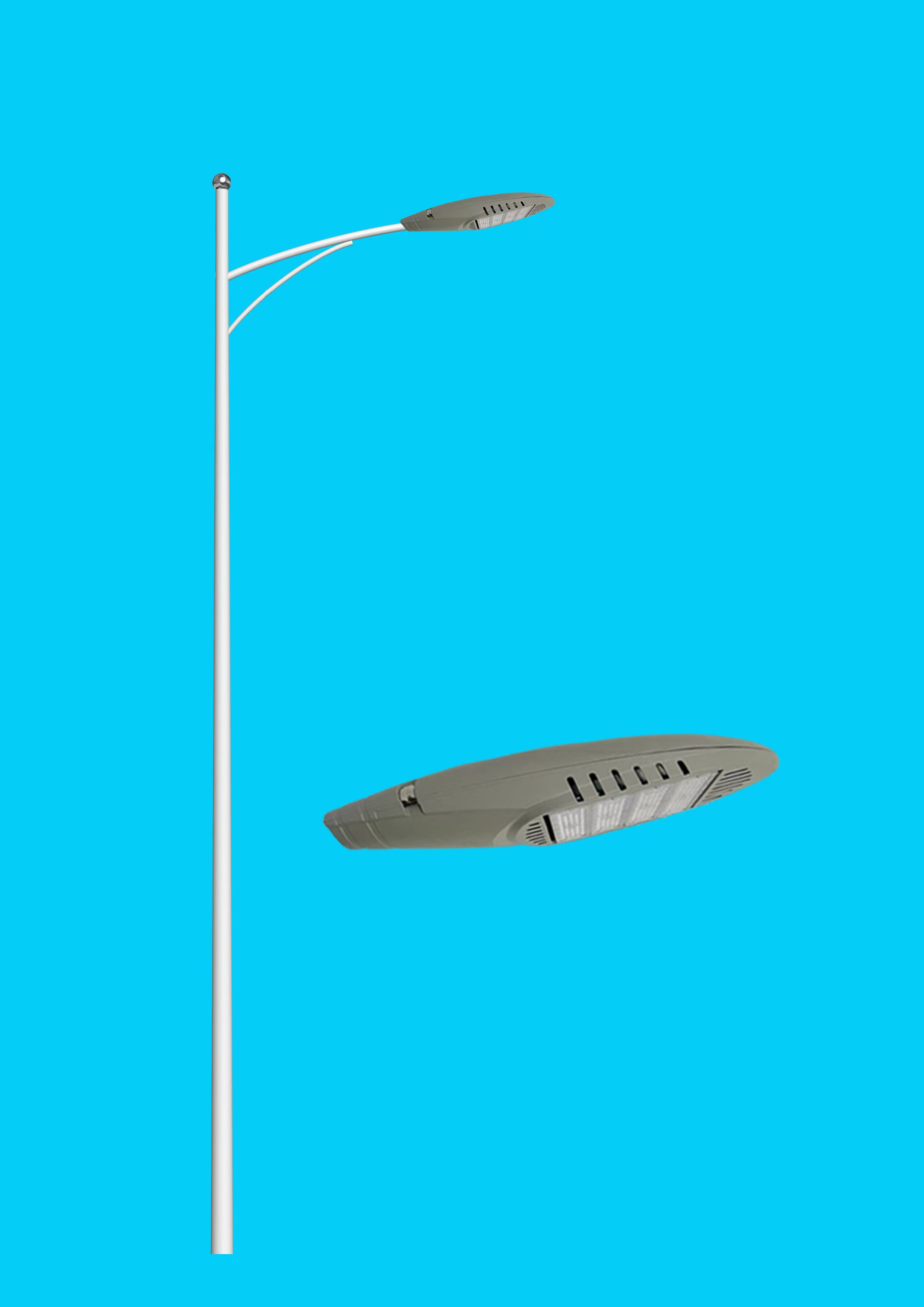
The Old Way vs. The Smart Way
Traditional street lighting maintenance is reactive. You wait for failure reports—or worse, for the outage to become a safety issue. This approach drives maintenance costs sky-high because each repair visit requires full diagnostic effort on-site, often across scattered locations.
Smart LED street light systems flip this model entirely. Each luminaire connects to a central management system via wireless communication (LoRa, Zigbee, or cellular networks). The system continuously monitors voltage, current, power consumption, and temperature of every fixture. When a parameter drifts outside preset thresholds—say, a drop in current that suggests a failing LED module—the system generates a fault alert immediately.
What Procurement Buyers Need to Know
For procurement professionals, the maintenance savings are the real story. Remote monitoring eliminates the need for regular manual patrols. Faults are identified and classified before the technician arrives, so the crew carries the right replacement component on the first trip. Some cities report maintenance cost reductions of 30-50% after deploying smart street lighting networks.
The same logic applies to high mast light installations used in ports, airports, and industrial zones. These tall-pole systems are expensive to access—a bucket truck or crane is required for each service call. Smart monitoring is particularly valuable here because it prevents unnecessary climbs and ensures maintenance is performed only when truly needed.
Integration Starts at the Pole
Here is where procurement strategy matters. The most cost-effective approach is to specify customized pole solutions that integrate the smart controller and communication module at the factory level. Rather than retrofitting hardware in the field, you receive fully assembled LED street light poles with embedded intelligence, pre-tested for communication protocols and fault-detection algorithms. This eliminates field integration issues and reduces installation time significantly.
The Payoff
The return on investment is compelling: fewer dispatch events, shorter repair times, and extended luminaire life through predictive maintenance. For municipalities and large facility operators, smart LED street lights with remote monitoring are not just about better lighting—they are a tool for operational efficiency.