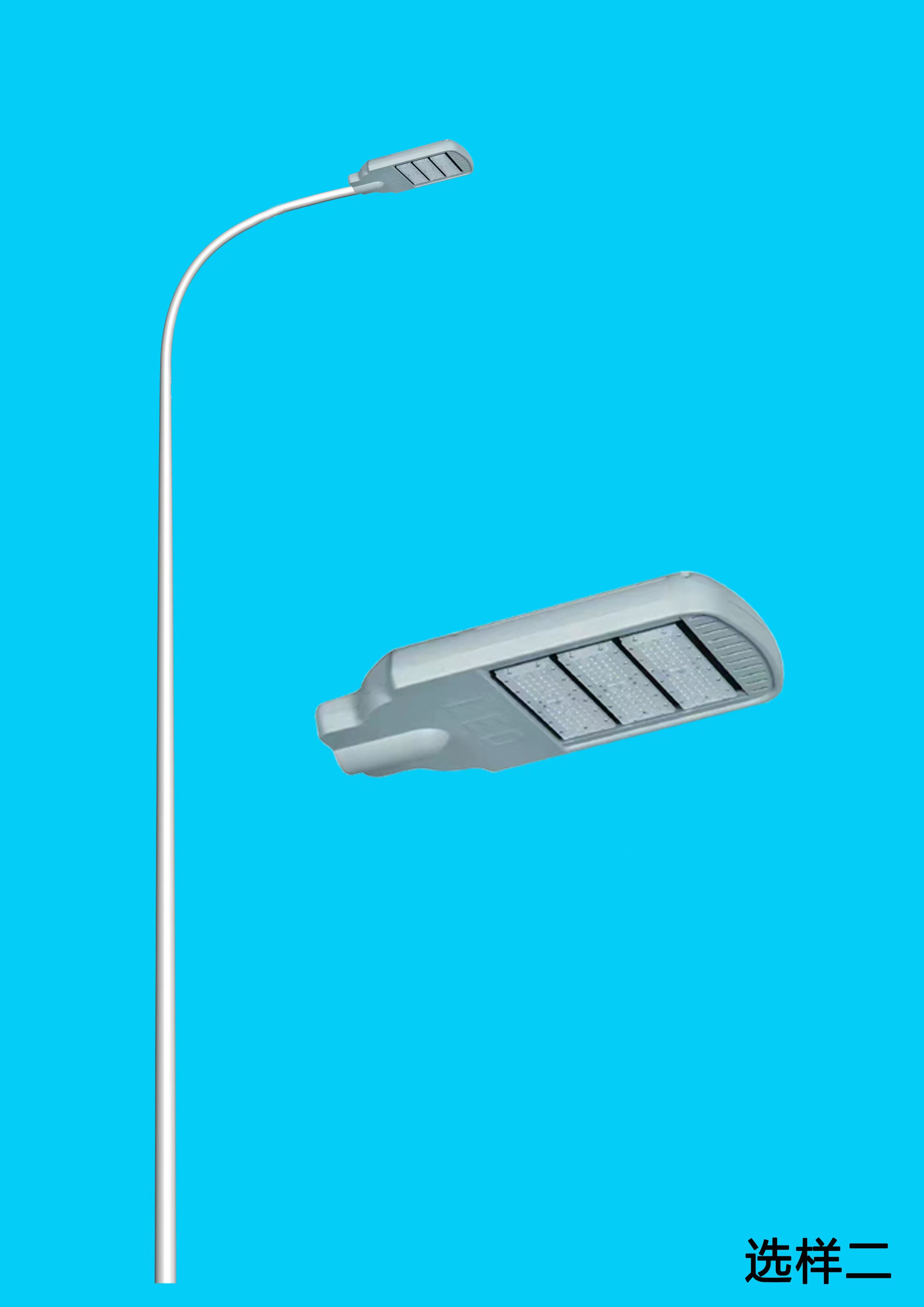
For procurement officers managing municipal lighting contracts, the numbers are hard to ignore. Traditional street lighting can consume up to 40% of a city's energy budget, and much of that power is simply wasted—lights burning at full brightness on empty streets, dayburners going unnoticed for weeks, and rigid schedules that ignore actual conditions. The shift to smart LED street lights with AI-driven dynamic brightness is changing that equation, and the savings are real.
How AI-Driven Dimming Actually Works
The technology is more sophisticated than a simple motion sensor. Modern smart LED street lights use intelligent controllers that adjust brightness based on multiple inputs: pedestrian and vehicle presence, time of day, weather conditions, and even carbon intensity thresholds. When a street is quiet at 2 AM, the system dims to 30% output. The moment a car or pedestrian approaches, brightness ramps up instantly to full visibility. This adaptive control, combined with LED efficiency itself (which already cuts energy use by 50-70% compared to high-pressure sodium lamps), delivers the additional 10-30% savings that pushes total waste reduction toward the 40% mark.
What This Means for Procurement
For buyers, the implications extend beyond the LED street light itself. Many smart systems now integrate with broader infrastructure—environmental sensors, traffic monitoring, and EV charging support can be added to the same pole. This transforms a lighting purchase into a platform investment.
The conversation also involves supporting infrastructure. For large-area applications like highways, ports, or industrial yards, high mast light systems often complement street lighting networks. These tall-pole installations benefit from the same smart controls, with dimming profiles tailored to site-specific activity patterns. Smart procurement means ensuring both systems can communicate through the same central management platform.
And then there is the pole itself. Municipalities increasingly require customized pole solutions that integrate the lighting fixture, sensor nodes, and communication hardware into a cohesive assembly. Suppliers in manufacturing hubs like Yangzhou now offer fully engineered systems—wind-load calculations, foundation specifications, and corrosion protection packages all included. For buyers, this means fewer vendors to manage and a single point of accountability for the entire installation.
The Bottom Line
The business case is straightforward. Cities like Chicago have modernized over 280,000 streetlights with smart LED systems, projecting $100 million in savings over ten years. With payback periods under 10 years and energy reductions approaching 40%, smart LED street lights with AI-driven brightness are no longer a pilot project—they are the new baseline for municipal lighting procurement.